Google’s new Gemini model still needs a fact check
Neon has arrived. Google’s own documentation says it can still produce false information.
Sources checked 20 Nov 2026 · AI-assisted
Get this: Explain why a newly launched AI model can still give an outdated or incorrect answer.
What Google announced
Google introduced Gemini 4 Neon on 18 November, pitching it as an AI model for coding, research and document work. The company says it is rolling out in developer tools and to paid Pro and Ultra users in the Gemini app.
Read the less shiny bit
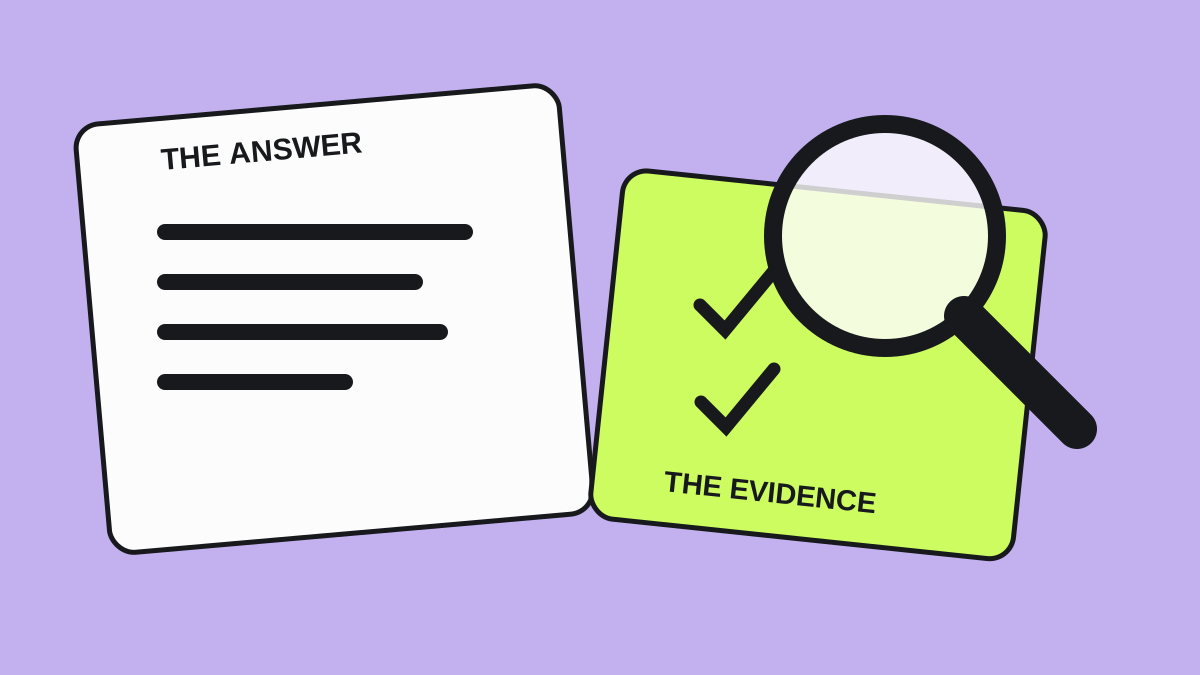
The less flashy part matters more: Google’s own model card says Neon can still hallucinate — produce information that sounds convincing but is wrong. It also lists a March 2026 knowledge cutoff, with some topics less current. A new launch date does not mean every fact inside is new.
The launch page includes Google’s reported test scores. Those are claims about particular tasks, not proof that every future answer will be right. Sidequest has not independently tested Neon. For any AI-generated claim, check the original source and its date before repeating it. A confident paragraph does not come with a built-in receipt.
MAKE IT MAKE SENSE
New release. Still needs receipts.
A launch date tells you when a product was introduced. It does not tell you when every fact inside it was learned, or whether a particular answer is correct. Google’s own documentation describes limits. The practical reading skill is to follow an important claim back to its original source and date.
THINK IT THROUGH
A new AI model gives a confident answer about a recent event. What would actually help check whether the answer is right?
Pick an answer in your head. Open it to see the reasoning.
Now put it in your own words.
Why can “the newest AI” and “an answer that needs checking” both be true? Use the difference between launch date, knowledge and evidence.
Say it to yourself or talk it through with someone. If a bit feels fuzzy, go back to that paragraph.